

#SeeminglyRandom
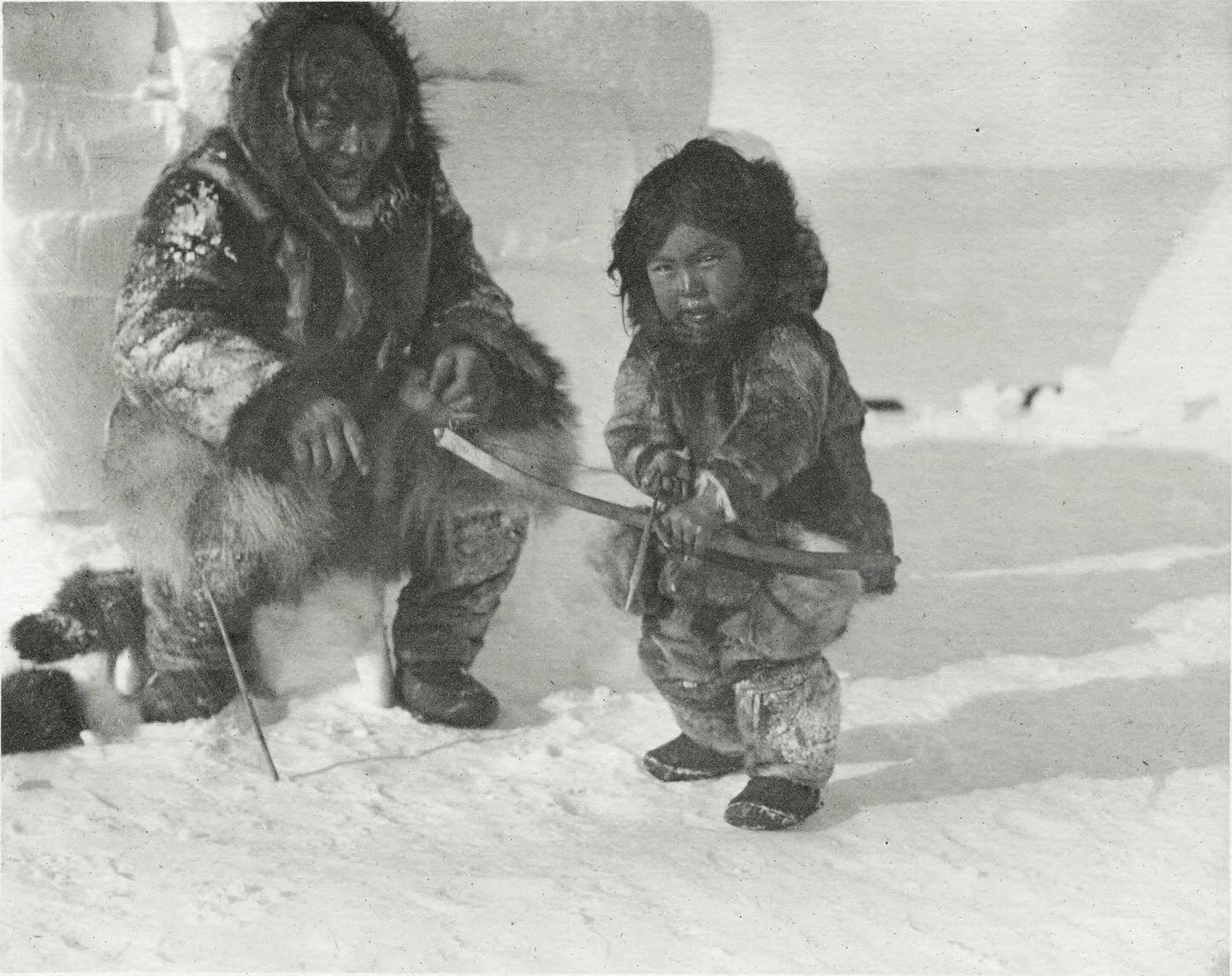 In 1921, an intimate portrait was taken of an Inuit father and son, Allakairallak and Phillipoosie, in the Canadian Arctic.
This striking photograph captures a moment in time when traditional Inuit life was being challenged by the rapid encroachment of Western influences and changes brought about by colonialism, trade, and modernization.
The image shows the father and son dressed in traditional Inuit clothing, including fur parkas and boots made from animal
skins, reflecting their connection to the land and the harsh, yet beautiful environment in which they lived.
These garments, meticulously crafted for survival in the freezing temperatures, were not only practical but also
a symbol of Inuit heritage and resourcefulness.
At the time the photo was taken, Inuit communities were still largely relying on subsistence hunting, fishing, and gathering,
with the father likely imparting knowledge of traditional survival skills to his son.
The relationship between father and son in Inuit culture was one of mutual respect and learning, with children often being
taught from a young age how to hunt, build shelters, and navigate the vast Arctic landscape.
Fathers were the primary role models, showing their children how to engage with the environment in sustainable ways.
This passing down of knowledge was not just about survival but also about maintaining cultural identity and traditions that
had been handed down through generations.
This photograph of Allakairallak and Phillipoosie serves as a poignant reminder of the Inuit way of life in the early 20th
century, just as many of these traditional practices were beginning to shift.
The photograph also stands in stark contrast to the changing realities of Inuit life, which was undergoing transformation due
to outside pressures, including government policies, missionary activities, and the introduction of new technologies and
trade goods.
As Inuit communities navigated these changes, photographs like this one captured the enduring strength of family bonds and
the resilience of Indigenous cultures, highlighting the importance of preserving heritage and the deep connections that tie
people to their land and ancestors.
####


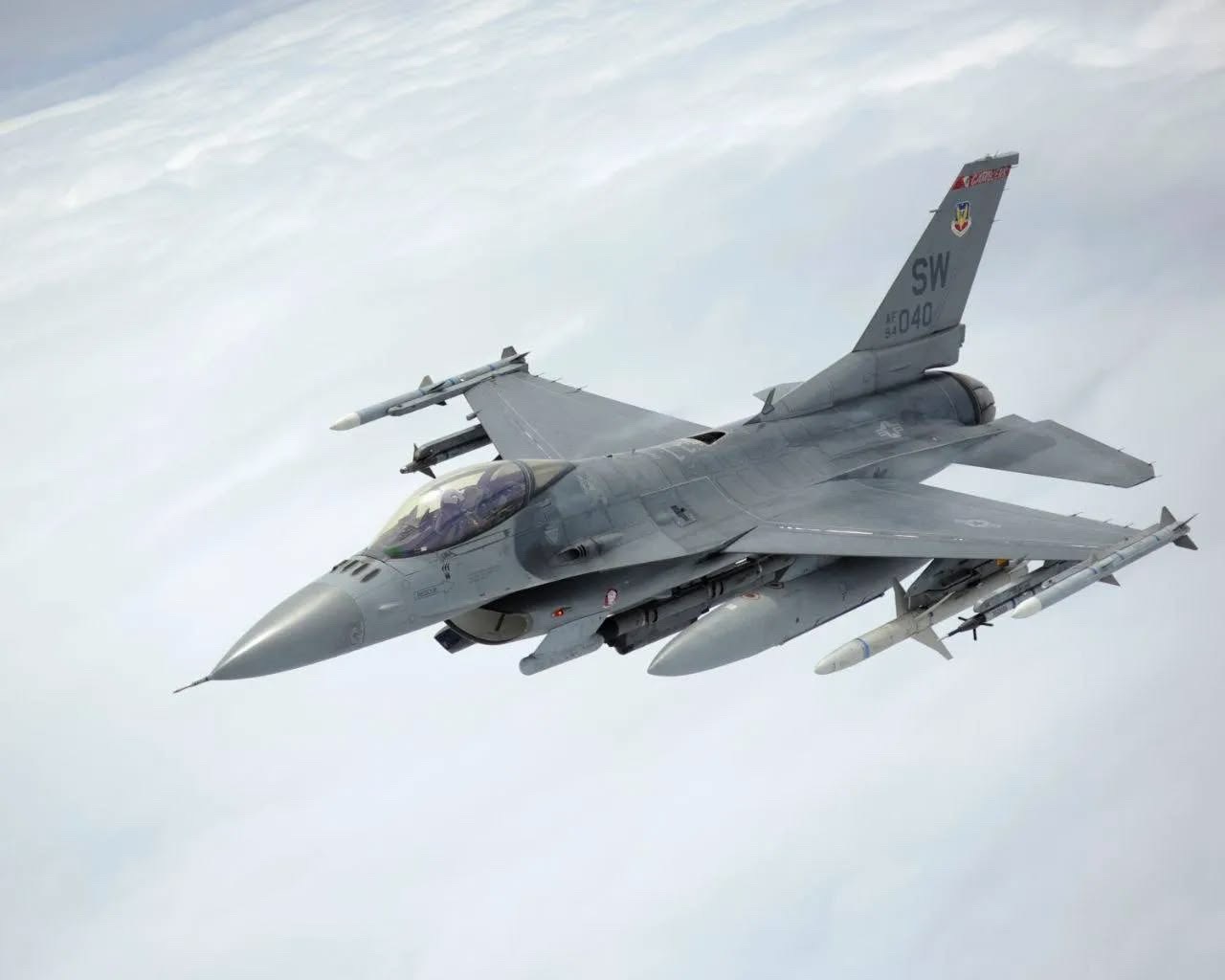
The Ukrainian Air Force probably shot down a Russian Su-34 fighter from an F-16 fighter jet _ ISW.
This happened at the moment the Russian plane dropped aerial bombs at a distance of approximately 50 km from the front line.
The incident is the first Ukrainian downing of a Russian manned aircraft from a Western-provided F-16 fighter jet.
Of course now that Trump has been elected – all bets are off and Ukraine is facing Putin unrestrained .
####
……. Authors Space: …..
… w

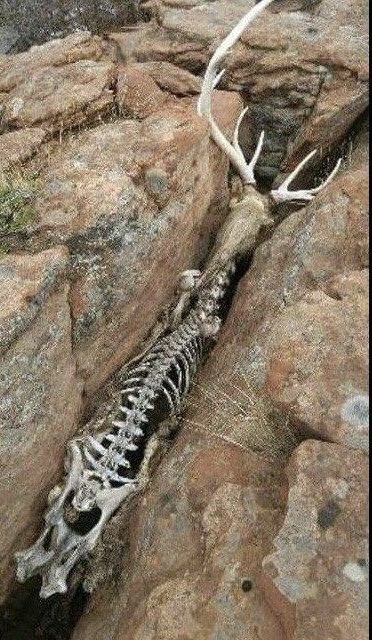
There’s stuck and then there’s STUCK ….
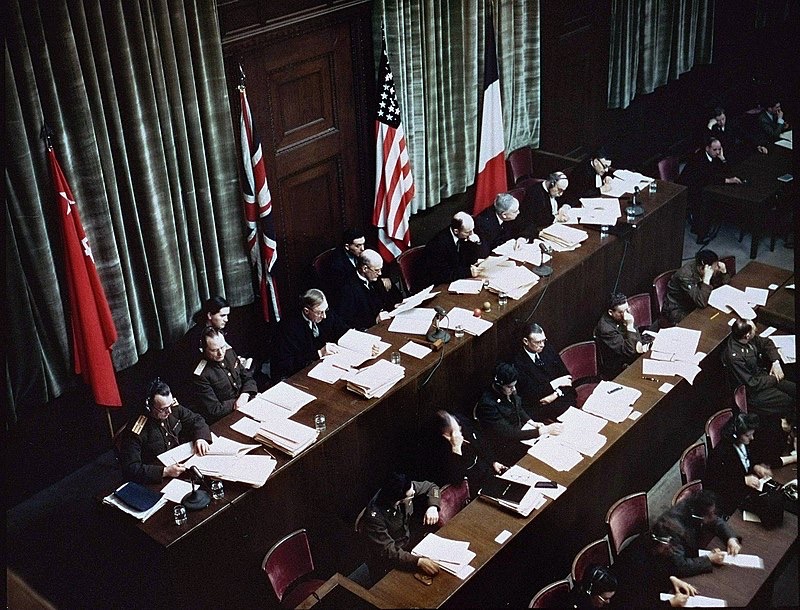
October 18, 1945, was the historic day marking the start of the Nuremberg War Crimes Trial.
This unprecedented legal proceeding held Nazi leaders accountable for war crimes, crimes against humanity, and genocide.
This historic trial aimed to bring justice for the horrors of World War II, setting a new standard for international law.
Facts:
- The Nuremberg Trials were the first of their kind, bringing high-ranking Nazi officials, military leaders, and key members of Adolf Hitler’s regime to court for their roles in the Holocaust and other war atrocities.
- The trials were held in Nuremberg, Germany, chosen because it had symbolic significance as the site of Nazi rallies, and its courthouse was relatively undamaged by the war.
- Leading Nazi figures, including Hermann Göring, Rudolf Hess, and Joachim von Ribbentrop, were among the 24 men tried before the International Military Tribunal (IMT), which included judges from the United States, the United Kingdom, the Soviet Union, and France.
- The defendants faced charges of war crimes, crimes against humanity, and waging aggressive war, marking the first time such charges were used in an international court of law.
- The Nuremberg Trials lasted from 1945 to 1946, and many of the defendants were sentenced to death or long prison terms. Some, like Hermann Göring, committed suicide before their executions.
- The trials established essential precedents in international law, including the principle that individuals, not just states, could be held accountable for war crimes.
- Nuremberg laid the foundation for modern international courts, such as the International Criminal Court (ICC), which continues to prosecute war criminals around the world today.
####
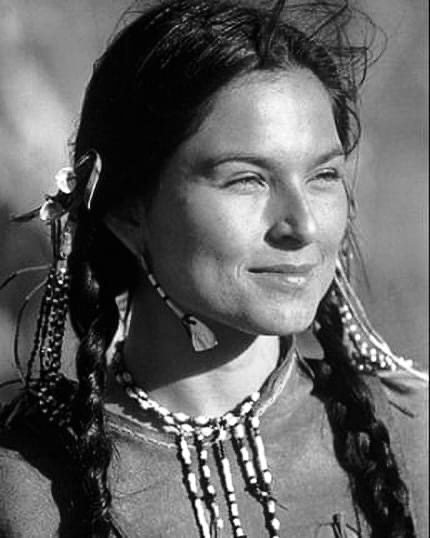
Sacagawea, a young Lemhi Shoshone woman, became one of the most prominent figures in American history through her
essential role in the Lewis and Clark Expedition, which spanned from 1804 to 1806.
Born around 1788 in what is now Idaho, Sacagawea’s early life was shaped by the traditions of her tribe, the Agaidika,
or “Salmon Eater” Shoshone.
Her village was located near the present-day city of Salmon, Idaho, close to the continental divide along the
Idaho-Montana border.
Sacagawea’s life took a dramatic turn around the age of 12 when she was captured during a raid by the Hidatsa,
a Native American tribe based in the Northern Plains.
She and several other children were taken to a Hidatsa village near modern-day Washburn, North Dakota, where she was held
captive.
Her experiences as a captive would later provide her with skills and knowledge essential for her role in one of America’s most
legendary expeditions.
At approximately age 13, Sacagawea was sold into a forced marriage to Toussaint Charbonneau, a French-Canadian fur trader
and trapper living among the Hidatsa.
Charbonneau, significantly older, had also taken another young Shoshone girl, Otter Woman, as his wife.
Reports on how Charbonneau acquired Sacagawea vary: some say he purchased her from the Hidatsa, while others suggest he
won her through gambling.
Despite the circumstances of her marriage, Sacagawea’s association with Charbonneau ultimately connected her to the
expedition that would bring her national recognition.
In the winter of 1804, Meriwether Lewis and William Clark, leaders of the Corps of Discovery, arrived at the Hidatsa village
where Sacagawea and Charbonneau lived.
Preparing for their journey to explore the newly acquired Louisiana Territory, they recognized the need for
interpreters and guides.
Charbonneau was hired as an interpreter, partly due to his knowledge of Native languages, but it was Sacagawea, with her
Shoshone heritage and resilience, who would prove instrumental to the expedition’s success.
Sacagawea joined Lewis and Clark on their journey westward while carrying her newborn son, Jean Baptiste Charbonneau,
who was born in February 1805.
Her ability to communicate with Native tribes along the route helped foster peaceful interactions,
critical for the expedition’s survival and progress.
Her familiarity with the landscapes of the West and her capacity to identify edible plants and medicinal herbs provided the
team with resources essential for survival.
One of the most notable moments of Sacagawea’s involvement occurred when the expedition encountered a Shoshone band
led by her brother, Chief Cameahwait.
The reunion was emotional, and her presence helped secure horses and supplies from the Shoshone,
allowing the expedition to cross the Rocky Mountains.
This passage proved vital to reaching the Pacific Coast, demonstrating the indispensable role Sacagawea played in the
journey’s success.
The journey across the continent was arduous, yet Sacagawea persevered, caring for her infant while trekking alongside the
expedition.
Her calmness, courage, and resourcefulness left a lasting impression on both Lewis and Clark.
She became more than just a guide or interpreter—her presence embodied the strength and resilience of Indigenous women
who played roles often overlooked in traditional narratives.
Following the expedition, Sacagawea returned to the Hidatsa village with Charbonneau and her son.
The details of her later life are uncertain; records vary on the date of her death, with some sources indicating 1812 and others
suggesting she lived until 1884.
Her legacy, however, endures. Sacagawea’s image was adopted in the early 20th century by the National American Woman
Suffrage Association as a symbol of women’s contributions to history, strength, and independence.
Numerous statues and monuments have been erected in her honor, recognizing her contributions to the Lewis and Clark
Expedition and her role as a bridge between cultures.
The story of Sacagawea transcends historical events, reflecting broader themes of resilience, intercultural exchange, and the
often-overlooked roles of women in history.
Her journey with the Corps of Discovery symbolizes a time when Indigenous knowledge and cooperation were crucial to
exploration, and her story continues to inspire a deeper appreciation of the diverse histories that shape America.
####
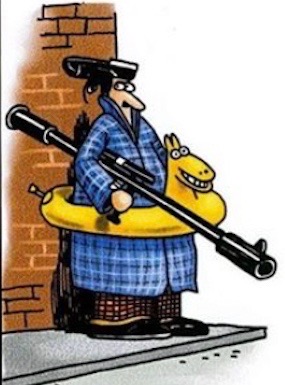
….. Ever Vigilant ….. w










warm? … is anyone warm? … ???? Oh well ….



 smallstepsgiantstrides.net
You must be logged in to post a comment.